
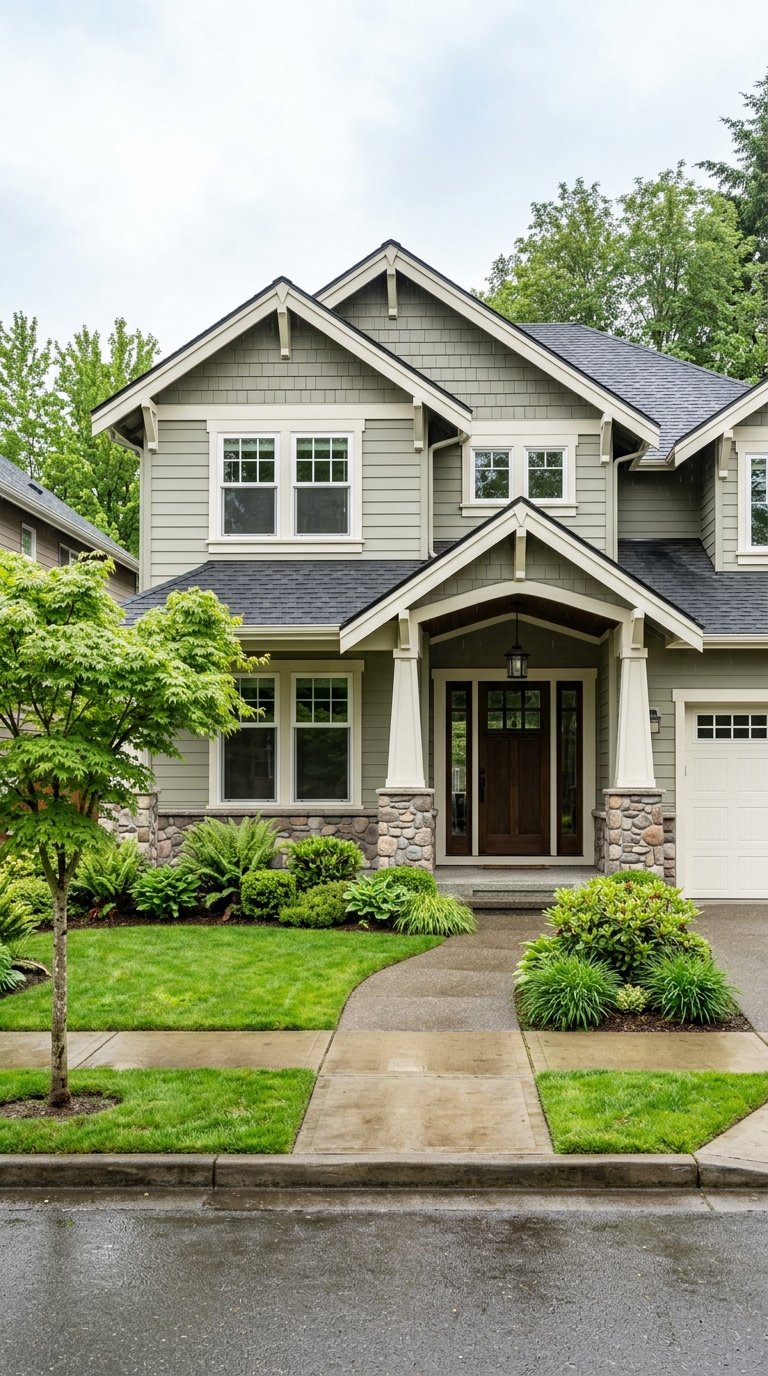
If you are searching for a home in Ridgefield, the HOA may shape your options more than you expect. In many newer neighborhoods, HOA dues are not just a small line item on a listing. They can affect your monthly budget, maintenance responsibilities, and how you use your property. The good news is that once you understand how Ridgefield HOA communities are set up, it becomes much easier to compare homes with confidence. Let’s dive in.
Why HOAs matter in Ridgefield
In Ridgefield, HOAs are common, especially in newer subdivisions. According to the City of Ridgefield’s neighborhoods information, most neighborhoods have an HOA, and new subdivisions are generally required to have one.
That planning framework helps explain why so many Ridgefield communities include shared features like trails, greenbelts, pocket parks, and pedestrian connections. The city notes that neighborhood planning emphasizes quality design, recreation space, and access to parks, and developers must set aside at least 25% of a site for recreation areas, buffers, and critical areas, as outlined on the same Ridgefield neighborhoods page.
For you as a buyer, that means the HOA is often part of how the neighborhood functions. It may support the appearance, maintenance, and long-term care of the shared spaces that make a community feel organized and usable.
What Ridgefield HOA rules often cover
An HOA does more than collect dues. In Ridgefield, the city explains that HOA CC&Rs can cover topics such as landscaping, parking, and rentals, based on the official neighborhoods page.
That matters because two homes with similar square footage and price tags can come with very different ownership experiences. One community may allow more flexibility, while another may have more detailed rules about exterior changes, parking patterns, or rental use.
This is not necessarily a bad thing. Some buyers like the consistency and maintenance standards an HOA can provide. Others prefer fewer restrictions. The key is knowing which setup fits your lifestyle before you make an offer.
What HOA dues may actually pay for
Many buyers assume HOA dues only cover landscaping or an entry sign. In Ridgefield, the reality can be broader.
The city notes that dues are mainly used to maintain common areas such as walking paths or parks, according to the Ridgefield neighborhood overview. But some neighborhoods also have private stormwater systems that must be maintained by the owner, developer, or HOA, as explained by the city’s stormwater operations and maintenance page.
That means HOA dues may help fund behind-the-scenes infrastructure, not just visible amenities. In some communities, that is a big part of what you are paying for.
Three common HOA cost profiles
If you are comparing Ridgefield homes, it can help to think in terms of three broad HOA budget profiles.
Lower-fee detached-home communities
In smaller detached-home neighborhoods, HOA dues are often more modest. Based on current listing examples summarized in the research, these fees often function more like a maintenance budget for commons and management than a full amenity package.
In practical terms, that may mean you get neighborhood upkeep, a pocket park, or common-area maintenance without paying for a pool, clubhouse, or gym. For buyers who want lower monthly carrying costs, this can be an appealing middle ground.
Mid-fee townhome and basic planned communities
Townhome communities and some planned neighborhoods often add more services. Current examples in Ridgefield show dues that may include front yard landscaping, exterior maintenance, and upkeep of shared areas.
That tradeoff can be attractive if you want less exterior work. At the same time, you will want to balance that convenience against the recurring fee and the possibility of more rules around exterior maintenance or design changes.
Higher-fee amenity-rich communities
Master-planned communities usually make the amenity tradeoff easiest to see. The research examples include neighborhoods with features such as playgrounds, trails, basketball courts, pools, gyms, meeting rooms, and clubhouses.
If those amenities match how you live, the dues may feel worthwhile. If not, you may be paying for features you do not expect to use often. This is where a side-by-side comparison becomes especially important.
How community design affects your home search
Ridgefield’s planning approach has a direct impact on what you see in the market. Because neighborhoods often include recreation space, trails, greenbelts, and shared features, the HOA is often part of preserving and maintaining those elements over time.
That can make certain communities feel more connected and lower maintenance from a buyer’s perspective. It can also mean the association has more ongoing responsibilities than you might see in an older neighborhood without the same shared infrastructure.
As you narrow your search, it helps to look beyond the house itself. Ask how the neighborhood is designed to function and who is responsible for maintaining the pieces you may not think about right away.
Why reserve planning matters
A low HOA fee can look attractive at first glance, but the monthly amount does not tell the whole story. In Washington, reserve planning is part of responsible HOA budgeting.
Under Washington HOA law, associations with significant assets generally must update reserve studies annually and obtain a new visual inspection study at least every three years. These studies are meant to help estimate future repair and replacement costs.
For you, the takeaway is simple: low dues are not always better dues. If reserves are thin and major work is coming, owners may face higher future dues or special assessments.
What to review before making an offer
If you are serious about a Ridgefield home in an HOA community, document review matters. Washington’s seller disclosure requirements ask about HOA status, regular or special assessments, and shared common areas or joint maintenance agreements.
The same disclosure process points buyers toward important association records, including financial information and governing documents. In common-interest communities under WUCIOA, a resale certificate is generally required before contract execution or conveyance unless it is waived or unavailable, as noted in the same Washington disclosure statute.
Here is a smart checklist to review during your due diligence:
- CC&Rs
- HOA budget
- Reserve study
- Meeting minutes
- Insurance summary
- Parking rules
- Pet rules
- Rental rules
- Exterior-change rules
- Any planned amenity completion
- Any expected fee increases
Those documents can reveal whether the HOA is financially stable, whether rules fit your needs, and whether any upcoming projects may affect your costs.
Questions to ask when comparing Ridgefield HOA homes
As you tour homes, try asking a few practical questions instead of focusing only on the dues amount.
What does the monthly fee include?
A $78 fee in one community may cover basic commons and management, while a similar fee elsewhere may include landscaping or exterior maintenance. You want to compare value, not just price.
What shared assets does the HOA maintain?
The answer could include trails, parks, stormwater facilities, roads, or amenity spaces. The more the HOA maintains, the more important its budget and reserves become.
Are fees expected to rise?
In some amenity-rich communities, dues may increase as planned features are completed or operating costs change. That is worth understanding upfront.
Do the rules fit how you plan to live?
Parking, pets, rentals, and exterior changes can all affect day-to-day ownership. A community may be a great fit for one buyer and a poor fit for another.
How an informed strategy helps you buy better
When you understand Ridgefield’s HOA landscape, you can make cleaner comparisons and avoid surprises. Instead of asking, “Does this home have an HOA?” you can ask better questions like, “What does this HOA actually do?” and “Does this monthly cost support the kind of ownership experience I want?”
That shift matters. It helps you evaluate homes based on total value, long-term upkeep, and realistic monthly costs, not just sticker price.
If you want help comparing Ridgefield HOA communities, reviewing property tradeoffs, or understanding what documents deserve a closer look, Josh Mccuistion can help you approach the search with clear, practical guidance.
FAQs
What do HOA dues usually cover in Ridgefield, WA?
- In Ridgefield, HOA dues often cover common-area maintenance and management, and in some communities they may also support landscaping, exterior maintenance, amenities, roads, utilities, or stormwater upkeep depending on the neighborhood.
Are most newer homes in Ridgefield, WA part of an HOA?
- Yes. The City of Ridgefield states that most neighborhoods have an HOA and that new subdivisions are generally required to have one.
What HOA documents should buyers review for a Ridgefield home?
- Buyers should review the CC&Rs, budget, reserve study, meeting minutes, insurance summary, and any rules covering parking, pets, rentals, exterior changes, and planned fee increases or assessments.
Can a low HOA fee in Ridgefield, WA still be risky?
- Yes. Lower dues may look appealing, but if reserves are not strong enough to cover future repairs or replacements, owners may face fee increases or special assessments later.
Why do Ridgefield HOA communities often have trails and parks?
- Ridgefield’s planning framework emphasizes recreation space, pedestrian elements, and greenways, and the city requires developers to set aside a portion of sites for recreation areas, buffers, and related open-space features.