
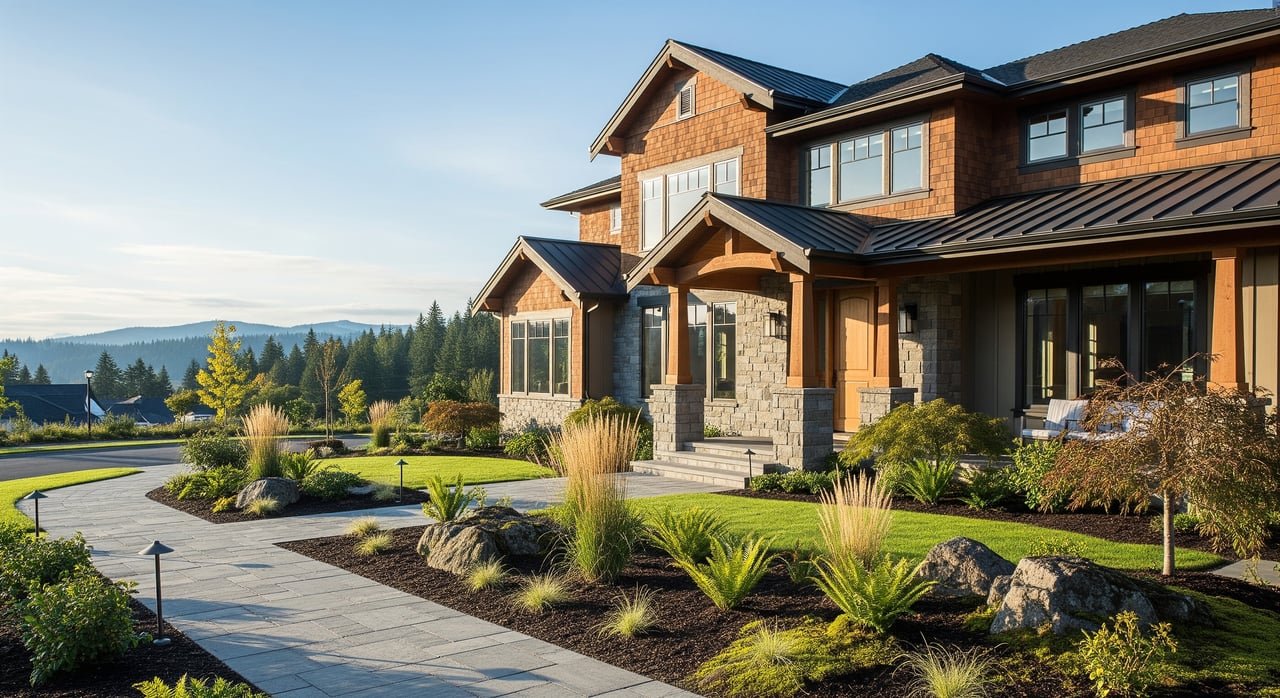
Thinking about relocating to Mount Vista and want a plan that actually works in the real world? You are not alone. When you are moving for work or school, you need clear steps, reliable timelines, and a local guide who can keep things moving even if you are out of town. In this guide, you will learn commute realities, temporary housing options, how to tour and inspect homes remotely, and what a smooth inspection-to-repair process looks like. Let’s dive in.
Why Mount Vista works for professionals
Mount Vista sits just north of Vancouver in Clark County. It is a quiet, primarily residential area with quick access to Interstate 5. Many residents commute into Vancouver and the Portland metro, and the location makes regional errands simple.
If you spend time at Washington State University Vancouver, Mount Vista is a short drive compared with many other Clark County neighborhoods. Typical non-rush drives to central Vancouver or WSU Vancouver are often under 20 minutes. Travel to central Portland varies with bridge traffic and can range from 20 to 40 minutes or more during peak hours. Always check your actual route on a mapping app during your intended commute window.
Everyday needs are easy to cover. You will find grocery options, coffee, daycare possibilities, parks, walking trails, and basic services within a short drive. Proximity to I-5 gives you straightforward access to the rest of Clark County and across the river when needed.
School assignments and district boundaries can vary by block. Some parts of the area may be served by different districts. Verify your specific address through Clark County or local district boundary tools. Property tax rates and utilities are administered by the county and local providers, so confirm current rates and service details with the appropriate offices.
Temporary housing that fits your timeline
If you are moving on a deadline, lining up temporary housing early removes stress. Choose the option that matches how long you expect to need it and what amenities you require for work.
Under 30 days
- Extended-stay hotels with weekly or monthly rates.
- Short-term rental marketplaces for week-to-week flexibility.
These are great when you need quick move-in, housekeeping, and flexible checkout. Compare total costs including fees.
30 to 90 days
- Corporate housing or furnished apartments with 30-day minimums.
- Month-to-month rentals, furnished or unfurnished.
These tend to cost more than a standard lease per month, but you gain furniture, utilities, and simpler logistics.
90 days or more
- Standard lease or a home purchase timeline that targets a 30 to 45 day closing.
If you plan to buy, your escrow period often falls within this window. Build in extra time if repairs or lender underwriting will be involved.
Booking tips to save time and money
- Book early if your start date overlaps with academic terms or corporate onboarding periods.
- Ask for documented Wi-Fi speeds and confirm work-from-home suitability.
- For longer stays, prioritize a furnished rental with a formal lease to avoid frequent turnover.
- Clarify deposits, move-in and move-out fees, cleaning schedules, parking, and cancellation policies.
- If you have a housing stipend, confirm which vendors are approved and how invoicing must be handled.
Tour and buy from afar with confidence
Buying remotely is common and manageable when you use the right tools and a structured process. Your goal is to simulate an in-person experience and protect your interests with thorough due diligence.
Virtual tours that tell the truth
Request the most complete media available: 3D tours, professional videos, high-resolution photos, and floor plans. If a listing does not have a 3D tour, schedule a live video walkthrough and ask for close-ups of areas that matter to you, like closets, attic access, crawlspaces, and utility panels. If square footage is critical, verify measurements with floor plans or county records.
Inspections you can attend remotely
Hire a licensed local inspector who understands Clark County climate issues like rain, moisture, roofing, drainage, and crawlspaces. You can attend the inspection virtually with live video so you can ask questions as the inspector moves through the home. Standard inspections cover structure, roof, exterior, plumbing, electrical, HVAC, interior systems, and visual moisture indicators. For older homes, add focused checks like roof specialists, sewer scopes, or pest inspections.
Disclosures and records to request
Sellers in Washington typically provide property condition disclosures. Ask for prior inspection reports, maintenance records, permits for past work, and recent utility bills to gauge operating costs. Review these before you finalize your offer strategy or repair requests.
Appraisals and underwriting
Depending on loan type and risk, lenders may use desktop, drive-by, or full appraisals. Build time into your plan for scheduling and any follow-up documentation. Respond quickly to lender requests to keep your closing on track.
Safe access and security
Your agent or the title company will coordinate secure lockbox access for inspections, appraisals, and contractors when you are not local. Confirm how keys are handled and ensure only authorized vendors enter the property.
From inspection to repairs without drama
Once you are under contract, you will move through contingencies, repairs, and closing tasks. A clear plan removes surprises and keeps everyone aligned.
Common contingencies and timing
In Washington, inspection contingency periods are negotiated in the purchase agreement and often range from 5 to 10 business days. Appraisal and financing contingencies are separate and may overlap. Coordinate these timelines to avoid conflicts and last-minute pressure.
Repair options that work
- Seller completes repairs before closing, supported by receipts and permits when required.
- Seller offers a credit at closing and you complete repairs after you take possession.
- If the seller will not address items, you can accept the condition, seek a price reduction, or cancel within your contingency terms.
Permits and licensed contractors
Significant work such as structural changes, major electrical, HVAC, plumbing, or additions typically requires permits. Verify requirements with the Clark County permitting office. Use licensed and bonded Washington contractors. For permit-required work, make sure your contractor pulls the permit and the final inspection is documented. Ask for copies of permits and final approvals before closing when repairs are done pre-close.
A smooth coordination workflow
- Get multiple written estimates with a clear scope of work.
- Use written change orders for any adjustments.
- Schedule the work early in escrow and request photo or video updates of progress.
- Keep invoices, permits, and inspection sign-offs organized for the closing package.
Typical escrow timeline
Many financed purchases in the Pacific Northwest close in about 30 to 45 days. Cash purchases may close faster. Plan to complete the inspection period in the first week or two, then schedule any negotiated repairs early to avoid delays. Appraisal and underwriting usually take 1 to 3 weeks combined.
Risk and fraud prevention
Wire fraud is a real threat. Always confirm wiring instructions directly with your title or escrow company by calling a verified phone number, not through an email link. Use secure e-sign tools for documents. Ask your title company which items can be signed remotely and which require a wet signature or in-person notary so you can plan ahead.
What I will handle for you
Relocating clients need a steady hand and dependable local help. With 15-plus years in residential construction and cabinetry, I pair practical home knowledge with tight transaction management so you can make decisions with confidence.
Here is the service checklist I follow for out-of-area buyers:
- Confirm your timeline, commute needs, and budget.
- Provide commute and neighborhood snapshots, including peak and off-peak drive expectations.
- Arrange Matterport or 3D tours when available and schedule live video showings.
- Coordinate quick pre-qualification and efficient in-person tours if you can visit.
- Book licensed inspectors and specialists, and attend inspections in person or via live video.
- Vet contractor licenses and insurance, gather bids, schedule repairs, and share progress photos.
- Coordinate appraisal access and maintain active communication with your lender.
- Manage title and escrow logistics, including secure wire instructions and remote signing steps.
- Conduct your final walk-through via live video and handle key exchange and utility transfers.
Communication matters when you are remote. We will set a clear plan for updates, preferred channels, and response windows. Expect a weekly status checklist until closing, plus immediate outreach when decisions are time sensitive.
Next steps for a smooth Mount Vista move
- Set your target start date and decide how long you will need temporary housing.
- Confirm your commute windows and test your route at the same times using a mapping app.
- Get pre-approved so your offer timing matches your housing plan.
- Shortlist neighborhoods and features that fit your lifestyle and budget.
- Schedule virtual tours and line up inspectors now so you can act quickly when the right home appears.
Ready to make your Mount Vista move simple and stress-aware? Reach out to Josh Mccuistion for localized guidance, remote-friendly touring, and construction-savvy support from offer to keys.
FAQs
How long should I rent while buying in Mount Vista?
- Typical closings take about 30 to 45 days, and many relocating buyers plan for 30 to 90 days of temporary housing to allow for inspections, repairs, appraisal, and underwriting.
Can I buy a Mount Vista home sight unseen?
- Yes, many buyers do this successfully with robust virtual tours, independent inspections you attend by video, and protective contingencies guided by a trusted local agent.
Who coordinates repairs if I am out of town?
- Your buyer’s agent or a local manager can schedule, supervise, and document the work; use licensed Washington contractors and obtain permits when required, with copies provided before closing.
Will lenders and title accept remote signatures in Washington?
- Most lenders and title companies use secure e-sign tools, but some final documents may still need wet signatures or in-person notarization; confirm the exact process early in escrow.
How do I verify a Washington contractor before hiring?
- Check the contractor’s Washington license status, request references and proof of insurance, review examples of similar work, and obtain written estimates with a clear scope of work.